Quartz vs. Granite Countertops: A Contractor's Honest Comparison
Quartz or granite? A remodeling contractor with 25+ years experience compares cost, durability, maintenance, and resale value to help you choose.
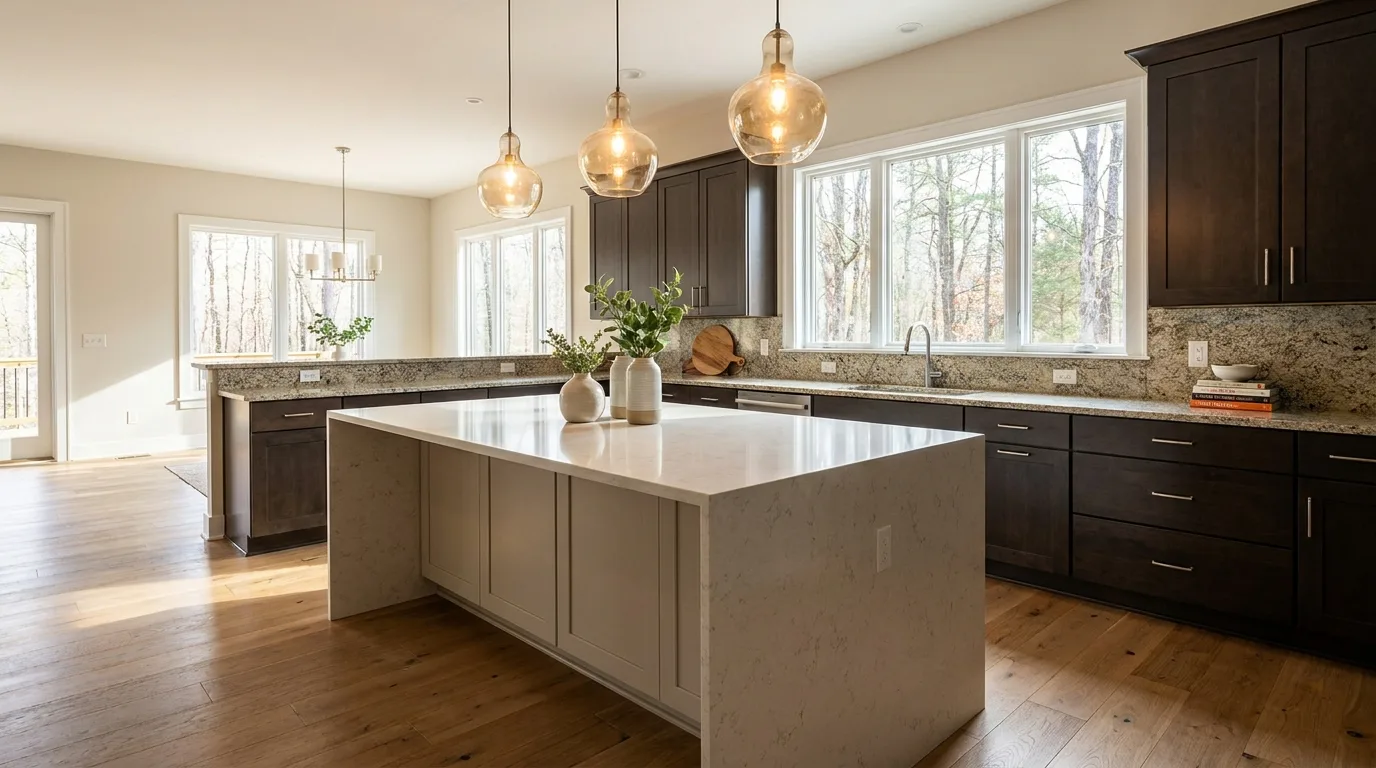
Quartz vs. granite countertops typically cost $45 to $130 per square foot installed in the Triad. The price difference between comparable grades often falls under $10 per square foot. Both materials work well in a full kitchen renovation. Vera Builders installs quartz and granite as part of kitchen remodeling projects across High Point and the surrounding Triad.
Granite and quartz trade wins depending on the category, which is why online advice tends to contradict itself. Each material wins on a different factor, and the right choice depends on how your household actually uses the kitchen.
Installed Cost in the Triad
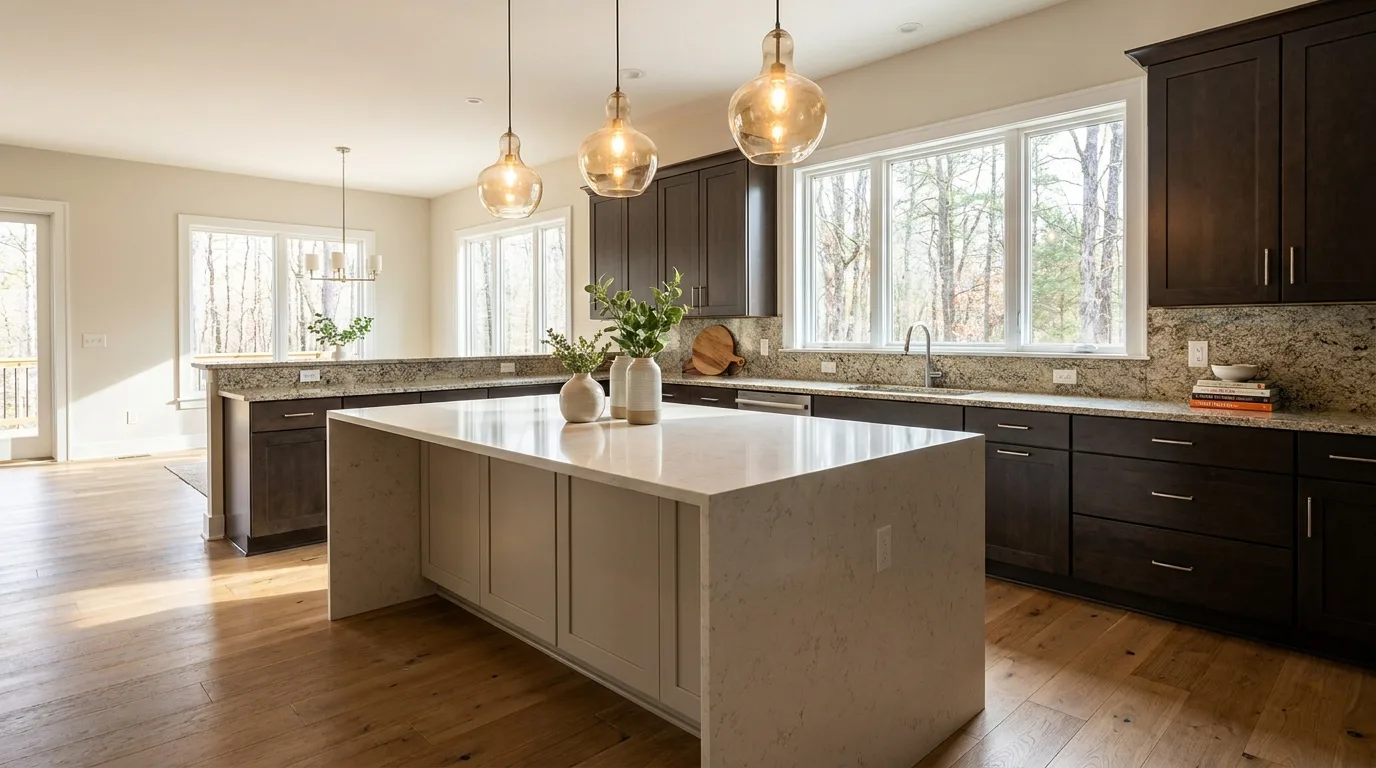
Granite countertops run $45 to $100 per square foot installed in the Triad. Quartz runs $55 to $130. At mid-grade options, the gap narrows to about $10 to $15 per square foot.
For a typical kitchen with 30 to 50 square feet of counter space, that translates to roughly $300 to $750 in total material cost difference. Edge profiles, sink cutouts, and seam placement affect both materials equally, so fabrication and installation costs are nearly identical.
What Shifts the Price
- Granite drops in price when you choose common colors like Santa Cecilia or Uba Tuba and standard edge profiles.
- Quartz drops when you go with builder-grade colors rather than veined marble-look patterns.
- Both materials cost more with waterfall edges, mitered joints, or L-shaped island configurations.
Durability and Daily Maintenance
Granite is a natural stone that handles direct heat from a pan without scorching, but it's porous. Without annual sealing, granite absorbs oils and liquids, which leads to staining over time. A sealed granite surface holds up well, but the resealing schedule is a real commitment.
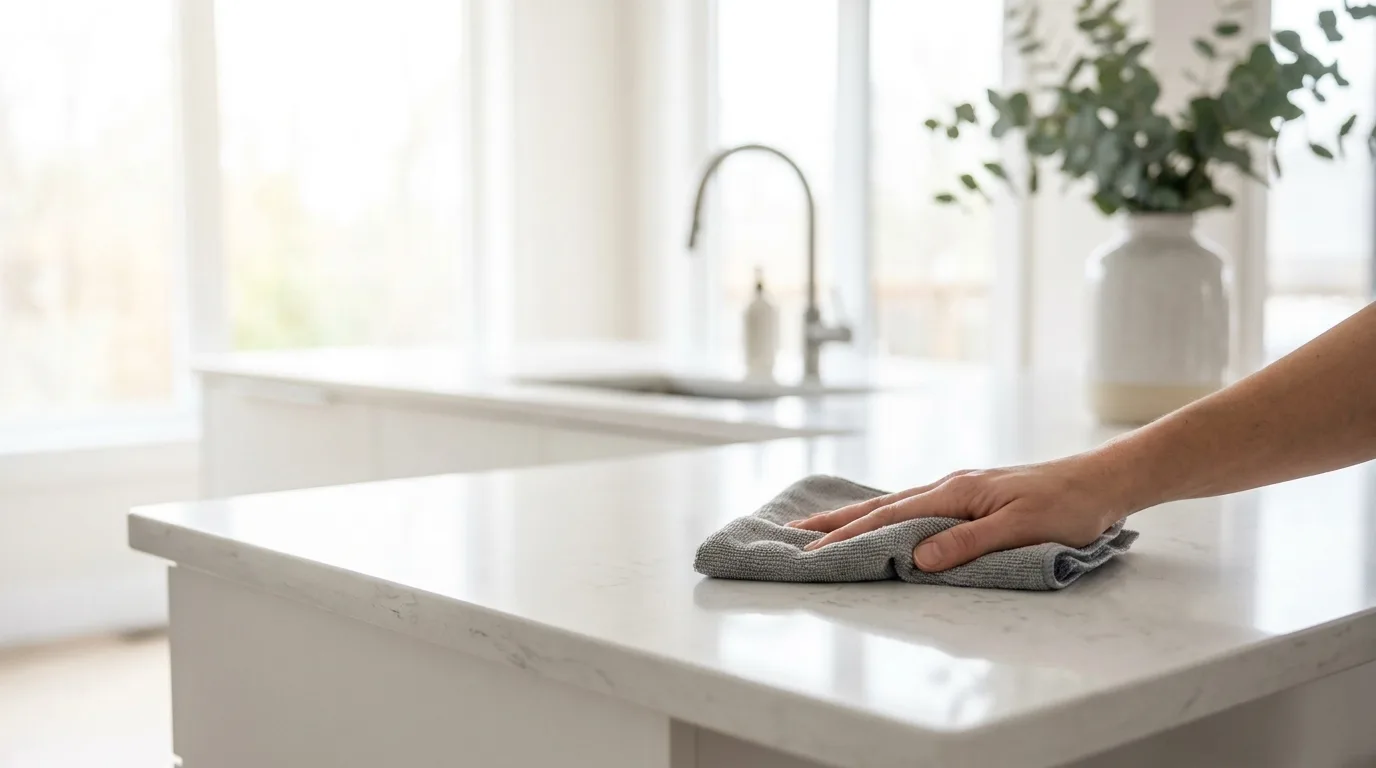
Quartz is engineered from crushed stone bound with resin. That resin makes it completely non-porous, so spills wipe clean without absorbing. No sealing required. The trade-off is heat sensitivity: resin can discolor or crack under sustained contact with a hot pan.
Which Works Better in a Triad Kitchen
If your household sets pots directly on the counter after cooking, granite handles that without damage. If daily cleanup and stain resistance matter more, quartz eliminates the sealing schedule entirely. North Carolina's humidity doesn't affect either material indoors, but it does accelerate staining on unsealed granite in outdoor kitchen setups.
Resale Value and Long-Term Performance
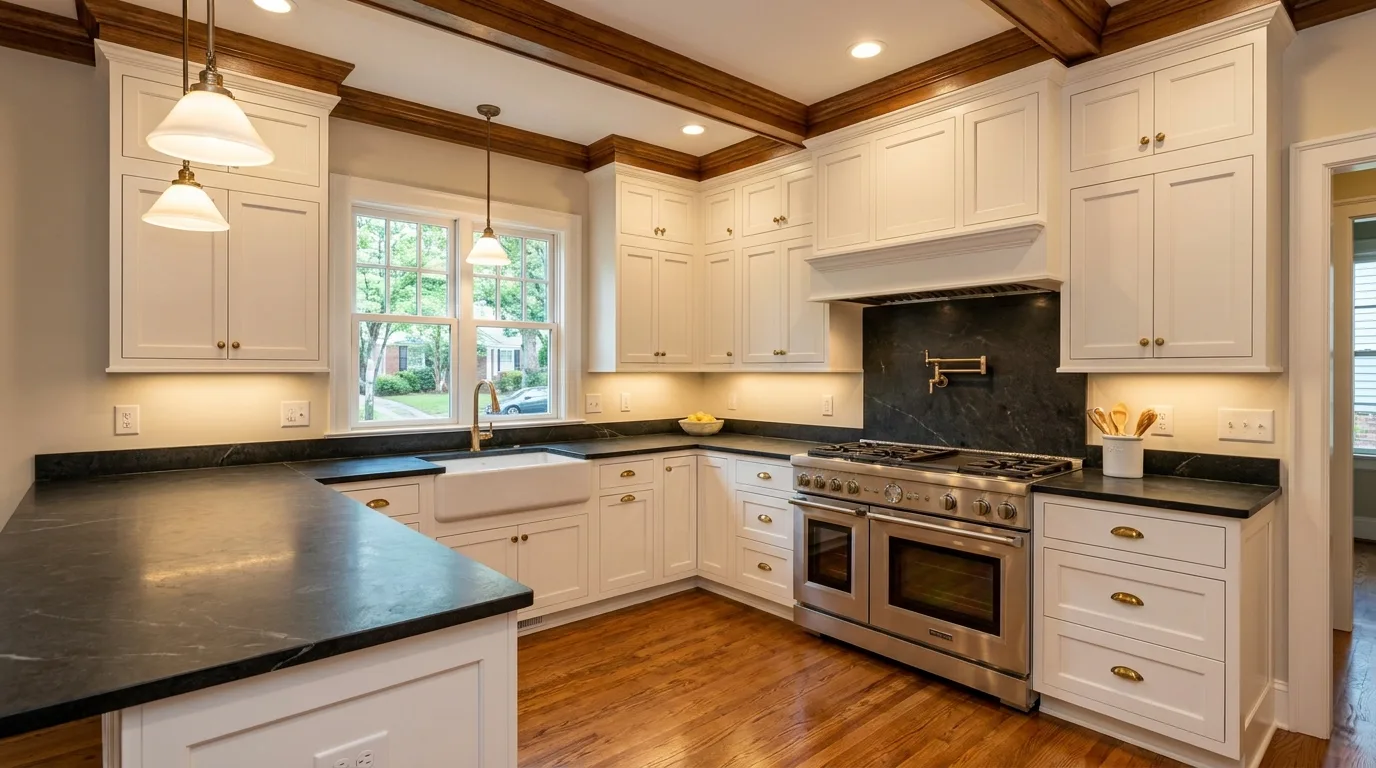
Both quartz and granite are considered premium countertop materials in the Triad real estate market. According to the 2025 Cost vs. Value Report, a minor midrange kitchen remodel recoups about 112% of its cost at resale nationally.
Buyer Preferences in the Triad
Quartz currently edges ahead in buyer preference because of its lower maintenance profile and consistent appearance. Granite remains the preferred choice in traditional and transitional kitchen designs, particularly in older High Point and Greensboro neighborhoods where classic finishes match the home's character.
Neither material depreciates meaningfully over 15 to 20 years if properly maintained. Quartz requires nothing beyond daily cleaning. Granite requires annual sealing but develops a patina some homeowners prefer.
Frequently Asked Questions
Is quartz more expensive than granite in the Triad?
Quartz countertops generally cost $10 to $15 more per square foot than granite at comparable mid-grade quality levels in the Triad. That difference adds roughly $300 to $750 to a typical kitchen project with 30 to 50 square feet of counter space. Builder-grade quartz and premium granite can overlap in price, so the gap depends more on the specific slab than on the material category itself.
Do granite countertops need to be sealed every year?
Granite countertops need to be sealed approximately once per year to maintain stain resistance. The sealing process takes under an hour and costs $15 to $30 for a DIY application, but skipping it allows oils, wine, and acidic liquids to penetrate the stone. Vera Builders recommends sealing within the first year after installation and annually after that.
Which countertop material lasts longer in a busy kitchen?
Both quartz and granite countertops carry manufacturer ratings of 15 to 25 years or longer in a well-maintained kitchen. Granite's lifespan depends on consistent sealing, and without it the surface stains and weakens over time. Quartz requires no sealing and resists most household stains, but direct contact with hot cookware can permanently discolor the resin binder.
Make the Right Countertop Choice for Your Kitchen
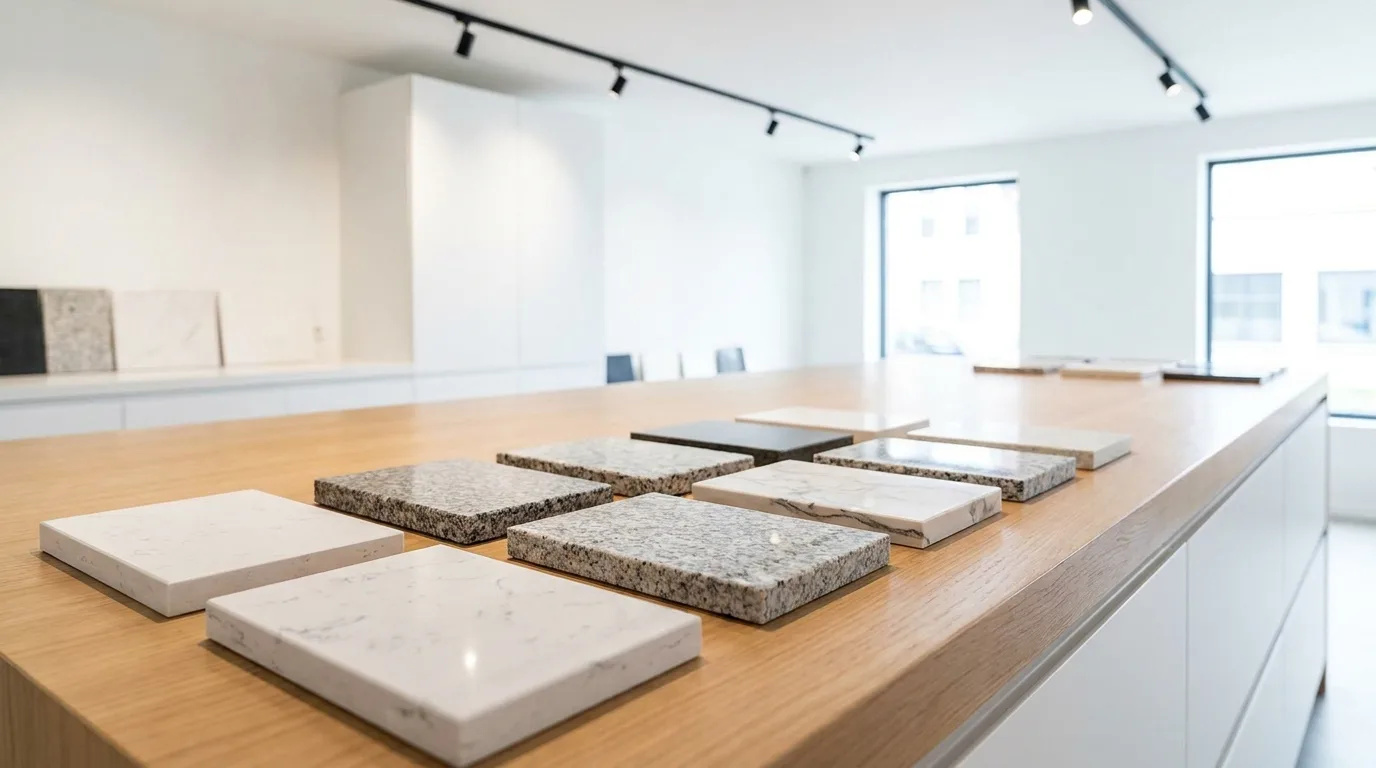
Granite suits cooks who set hot pots directly on the counter and prefer natural stone that ages with character. Quartz fits households that want zero-maintenance surfaces and consistent aesthetics across a long kitchen run.
Either material adds real value to a Triad home, and the cost difference between them is smaller than most homeowners assume. The better choice comes down to your kitchen routine, not the lower price tag.
Contact Vera Builders or call (336) 898-0883 to schedule a free kitchen design consultation.